Your service manual assumes gentle driving. Dubai's stop-start traffic, long commutes, heat and dust wear your car faster, so it often needs attention sooner.
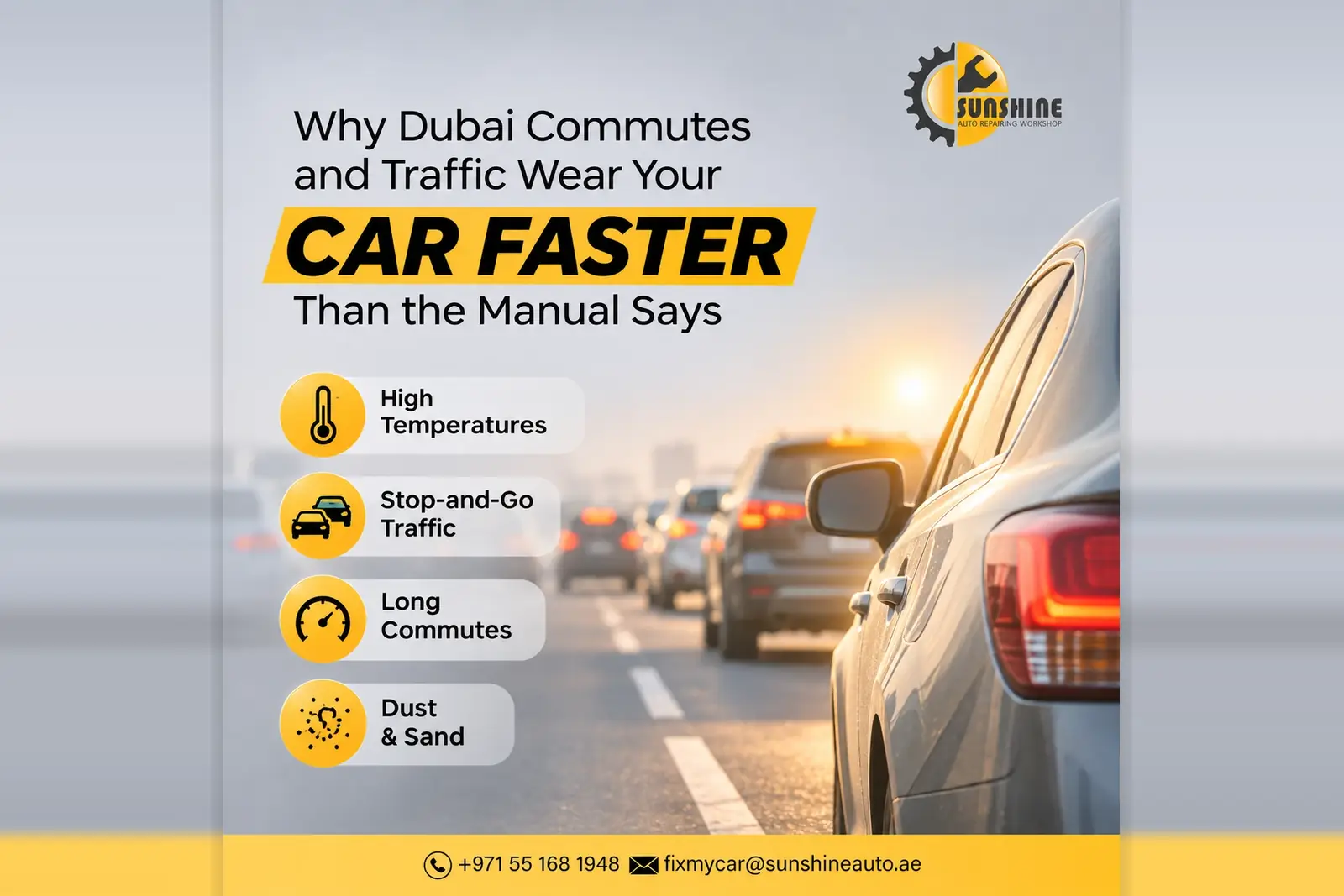
Your car's service manual gives you a maintenance schedule based on distance or time, service every so many kilometres or so many months. But those intervals assume fairly average, gentle driving conditions. Daily life in Dubai is not that. Long commutes between emirates, heavy stop-start traffic, heat, dust, and speed bumps all put more strain on a car than the manual assumes, which means your car often needs attention sooner than the schedule suggests.
Understanding what everyday driving here actually does to your car helps you keep it reliable and avoid bigger repairs down the line.
Stop-start traffic is harder on a car than open-road driving
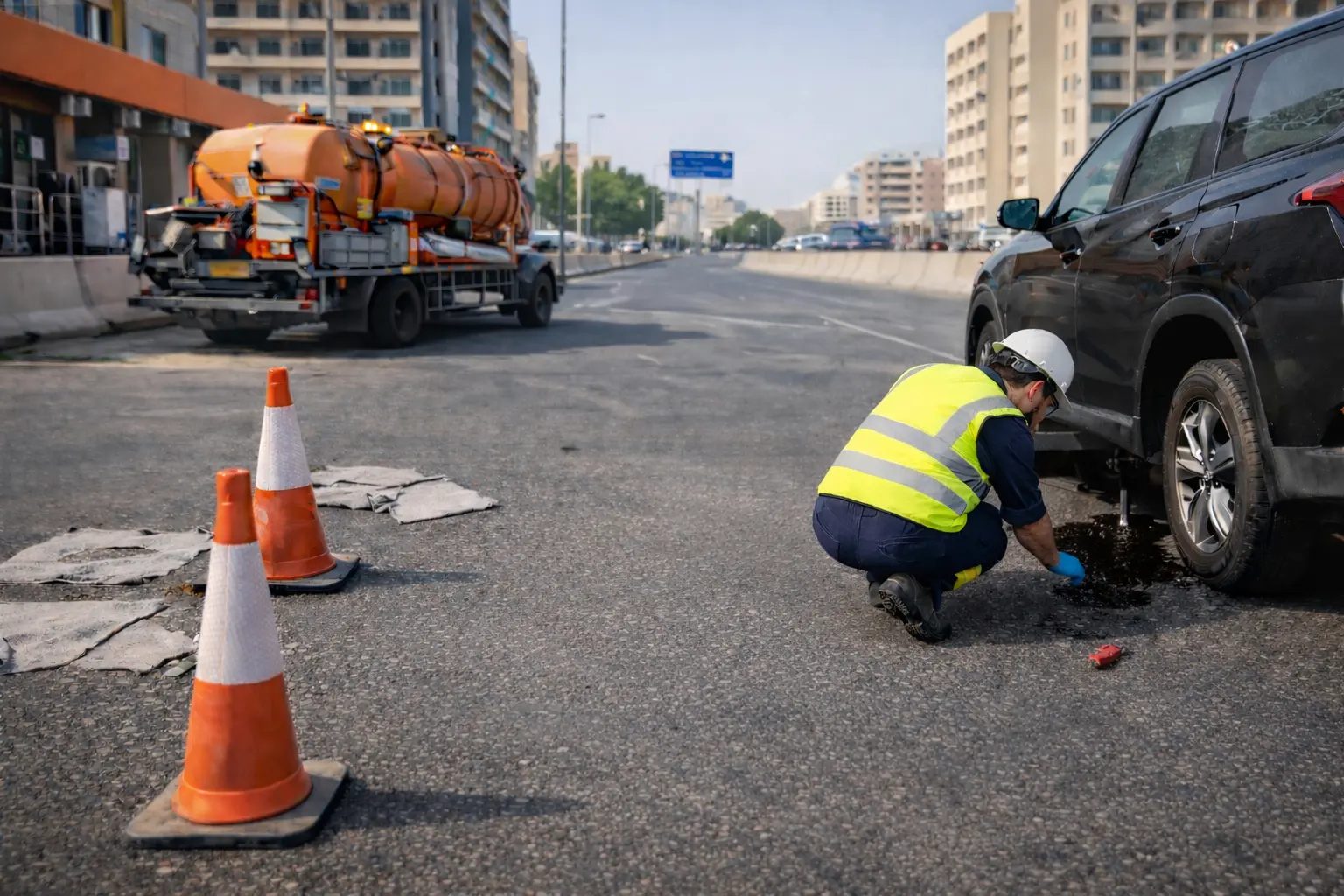
A lot of driving in Dubai is stop-start: crawling in traffic, constant braking and accelerating, and long periods idling. This is harder on several parts of the car than steady driving. Brakes wear faster from constant use. The engine and transmission work harder in traffic than cruising on an open road. And a car that mostly does short, stop-start trips does not always get the sustained running that keeps the battery charged and the engine running at its best. The result is more wear in less distance than the manual's intervals assume.
Long commutes and cross-emirate driving add up
Many people in Dubai commute long distances, often between emirates, every day. High mileage means the car reaches its service intervals faster in terms of time, and the sustained running at speed puts its own demands on tyres, brakes, fluids, and the engine. A car covering a large distance every week simply needs servicing more often in the calendar than one that barely leaves the neighbourhood, so going by time alone can leave it under-serviced.
Dust, heat, and road conditions take their toll
The environment adds another layer of wear that a manual written for a temperate climate does not fully account for:
- Dust and sand clog air filters faster and work into components, so filters and fluids need changing more often.
- Heat is hard on the battery, the oil, the AC, and the cooling system, accelerating wear across the car.
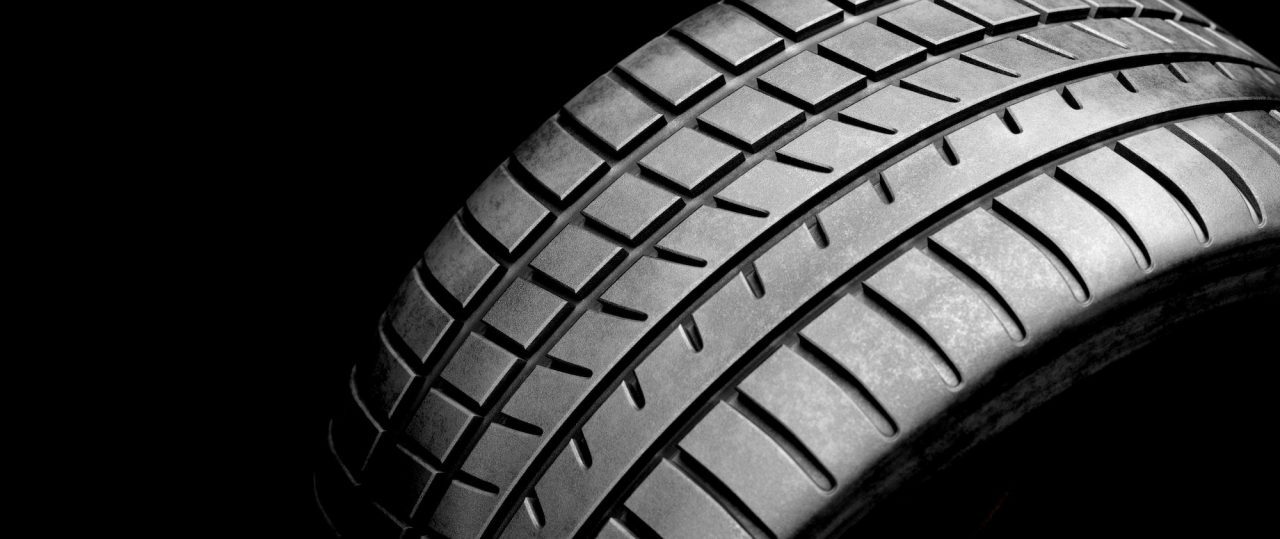
- Speed bumps and road conditions stress the suspension, tyres, and wheel alignment over time.
- Constant AC use adds load the engine and electrical system carry for most of the year.
Why shorter service intervals make sense here
Because of all this, many workshops in Dubai recommend servicing more frequently than the manual's baseline, for example checking the car every six months or on a shorter distance interval than you might in a cooler, gentler-driving country. This is not about doing unnecessary work. It is about matching the maintenance to the real conditions the car faces, so that wear is caught and dealt with before it becomes a breakdown or an expensive repair. Regular servicing under these conditions genuinely extends the life of the car and keeps it reliable.
Listen to the car, not just the schedule
Alongside a sensible service interval, it pays to pay attention to how the car feels and sounds. New noises, changes in braking, warning lights, weaker AC, or anything that feels different are the car's way of telling you something needs looking at, regardless of what the schedule says. Combining regular servicing suited to Dubai conditions with attention to these signs is the reliable way to keep a car in good shape here, and to avoid the larger repair bills that come from letting small problems run.
Sunshine Auto is a full car repair and service workshop in Dubai, handling everything from routine servicing suited to local conditions to repairs across mechanical, electrical, AC, and body work. If your car is due a service, or something feels off, we can check it over and keep it reliable for the roads here. Get in touch with our team.